
How do you make a tight bra band fit without buying a new bra?

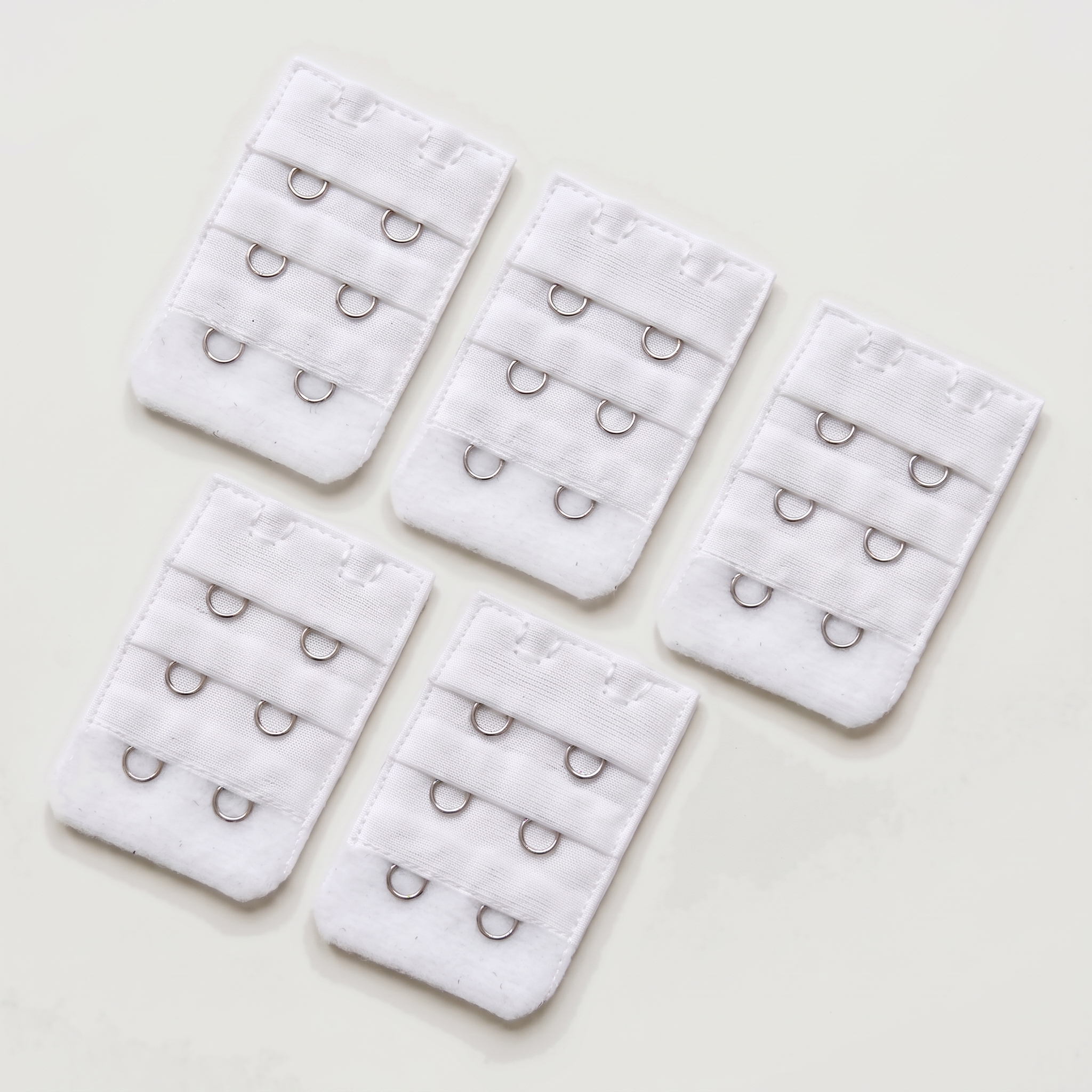
A bra band that digs in does not always mean you need a new bra. If the cups fit and the straps sit where they should, and only the band feels too tight, a bra extender adds room at the back without sewing and without replacing a bra that is otherwise fine.
Is it the band, or is it the cups?
Start here, because an extender only fixes one thing: band length. It does not fix cups that spill, straps that slide off sloping shoulders, or a band that rides up the back — a band riding up is usually too loose, not too tight, and adding length makes it worse.
The band test takes thirty seconds. Fasten the bra on the loosest hook if you can, and slide two fingers under the band at the centre back. If you cannot fit one finger under it, or if it leaves red marks that stay long after you take the bra off, the band is too tight. If the cups sit flat, the underwire follows the line where breast tissue ends, and the straps stay put, the cups are doing their job and the band is the only problem. That is the case an extender is made for.
Bands also tighten for ordinary reasons. Elastic relaxes and then feels different after washing, a bra bought between sizes starts on the tightest hook with nowhere to go, and bodies change a little across a month. None of that means the bra is ruined. It means the band needs a small amount of extra length, which is exactly what an extender adds.
How does a bra extender work?
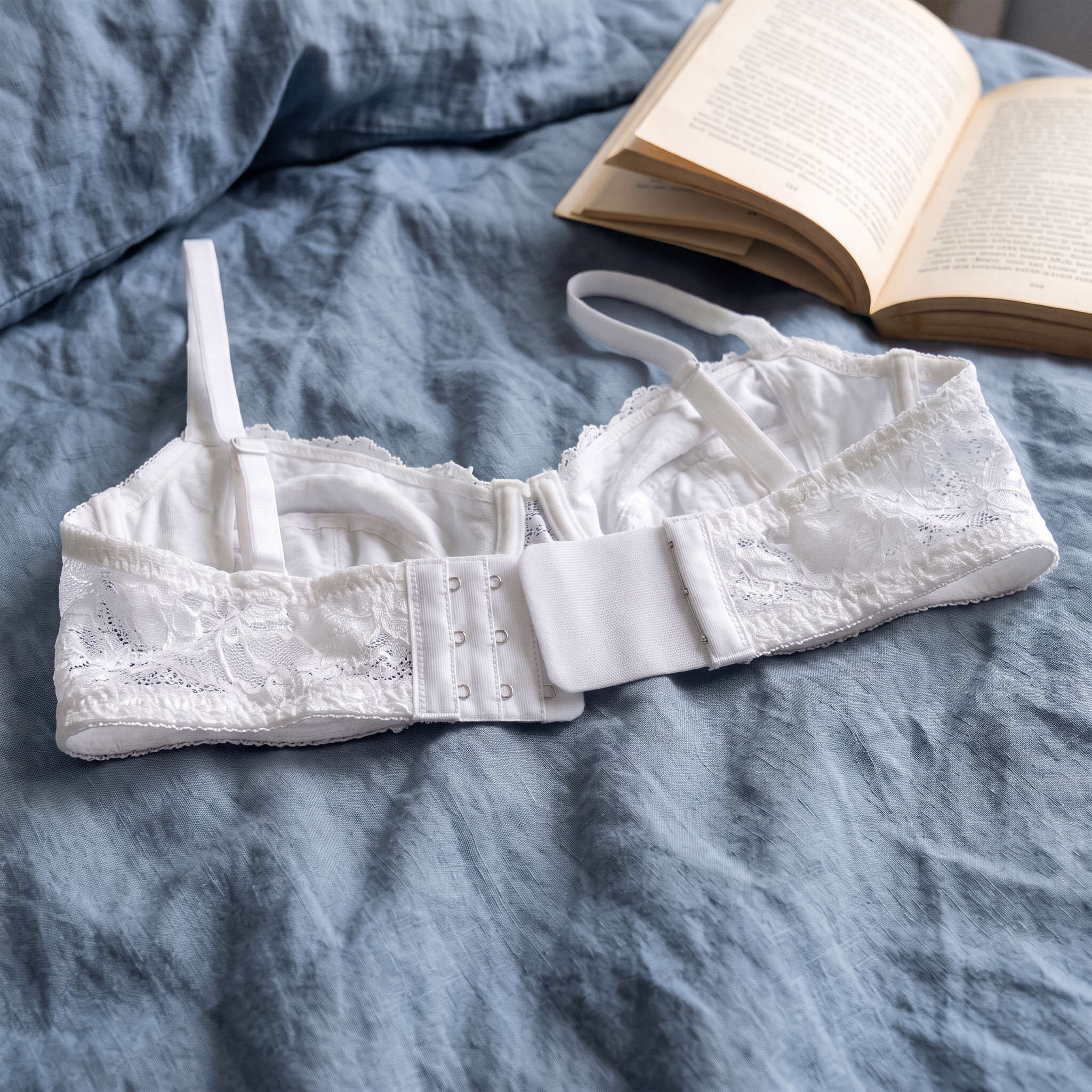
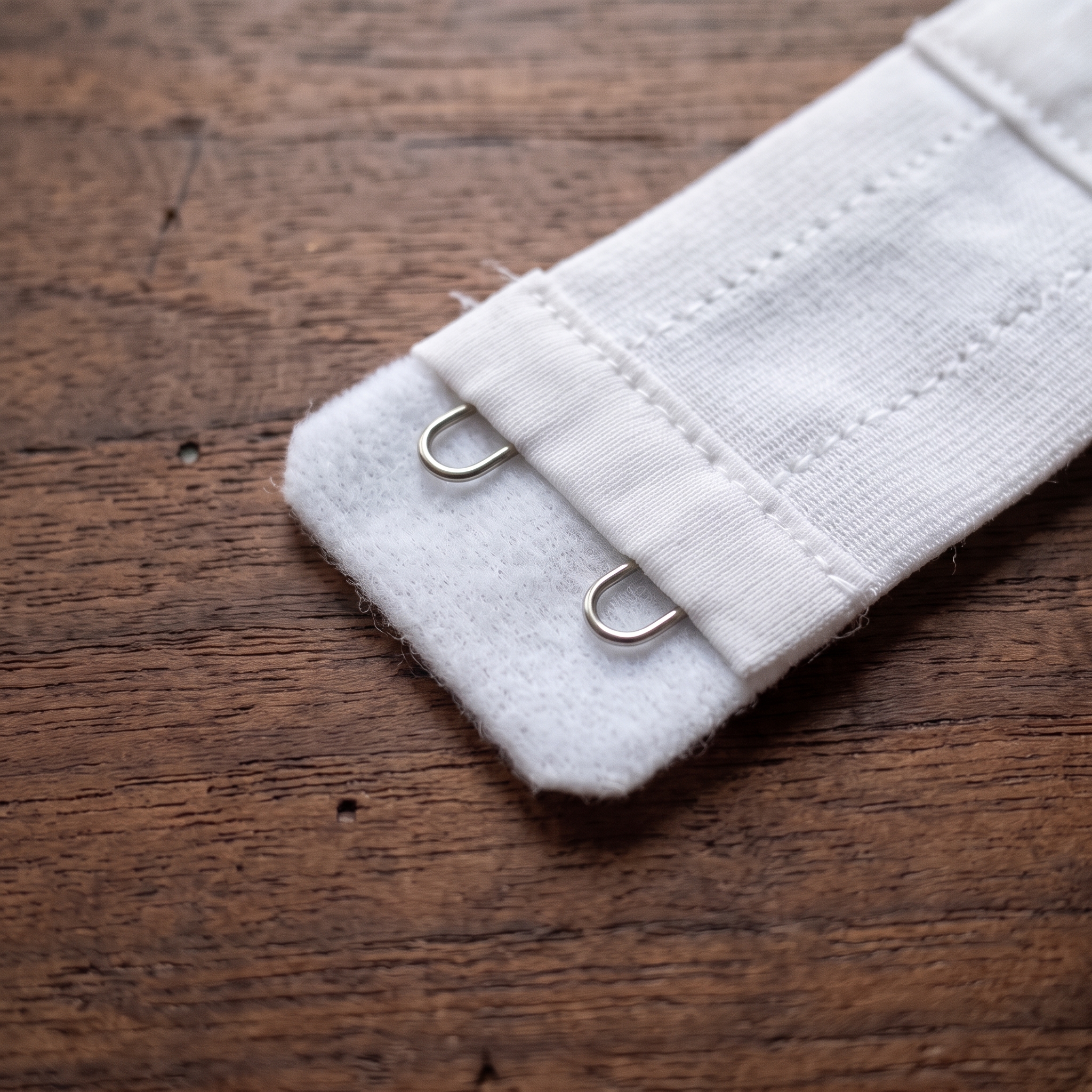
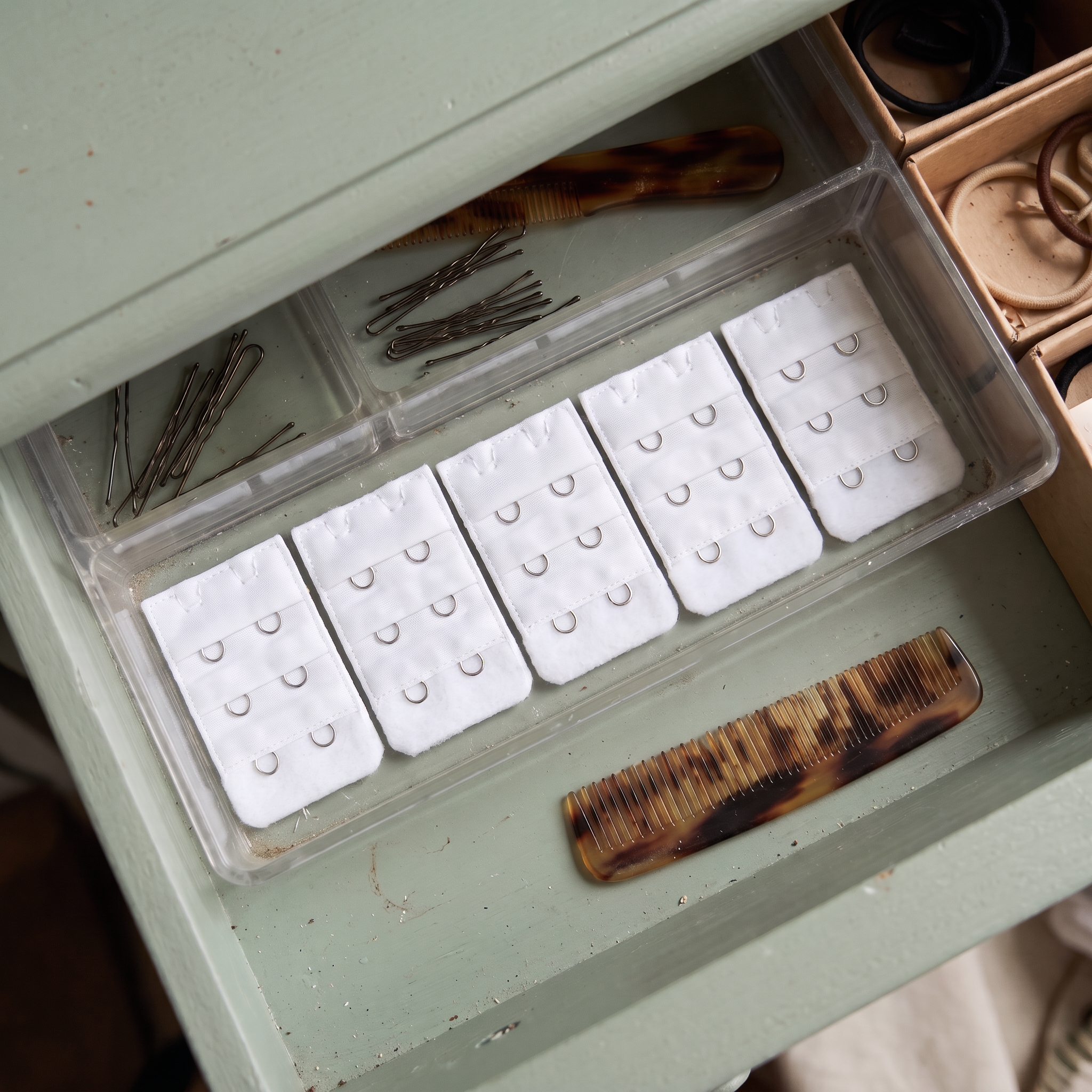
A bra extender is a small panel with hooks on one end and rows of eyes on the other. Her Velora’s Bra Strap Extenders — 5-Pack, White ($9) are 5.2 × 3.2 cm each, with two hooks and three rows of eyes, in polyester. You hook the extender onto your bra’s band, then fasten your bra’s own hooks into the extender’s eyes. The extender sits between the two ends of the band, so the band closes a little further around.
The three rows are the adjustment. The first row gives the most room and the last row the least, so you pick the row that feels right rather than guessing a size. If the band feels tight by evening but fine in the morning, use a looser row in the evening and a tighter one in the morning — the extender comes off and goes back on, so the same bra can fit both ways in one day.
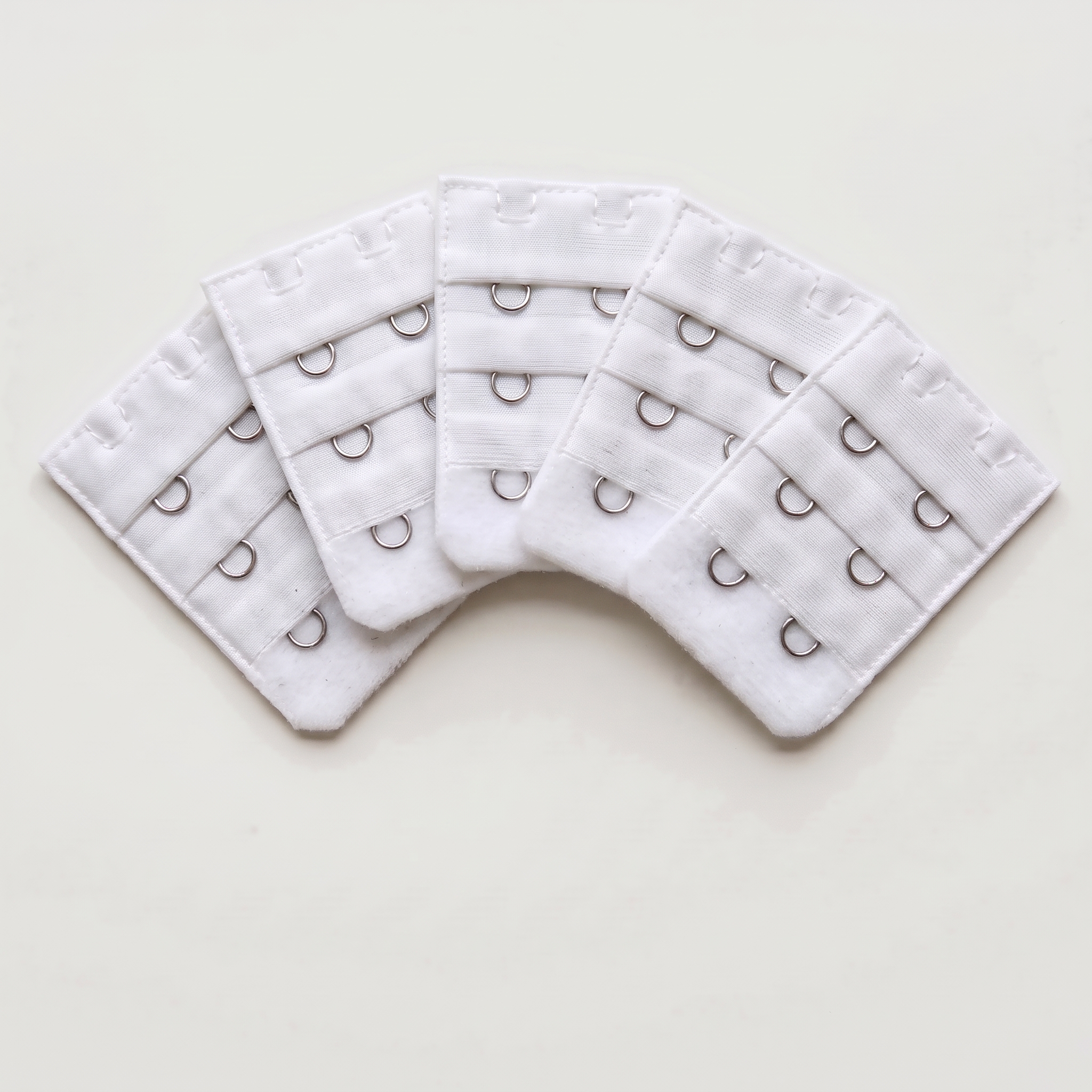
To use it: hook the extender onto the hooks at the end of your bra band, fasten your bra’s hooks into the extender’s eyes on the row that feels comfortable, then put the bra on as usual and check the fit in the mirror. The back of the band should sit level with the front, not climb toward your neck and not cut a valley into your skin. The pack holds five white extenders, so there is one ready for each bra, or spares in a drawer.
When does an extender not fix it?
An extender adds length, nothing else. It will not fix cups that are too small, a band that has stretched so loose it rides up, or a bra that closes at the front or has no hook-and-eye fastening at all, such as most sports bras. Those need a different answer: a cup size up, a new band size, or a front-closure style, depending on which part is wrong.
It also has a limit on how much room it can add. One extender adds a small amount of length. If you need far more than that, the band size itself is wrong, and no extender makes a wrong size right. The honest test is the mirror check above: level band, two fingers underneath, no digging. If one extender on its loosest row still digs, that bra needs refitting, not a second extender stacked on the first.
The same rule applies to a bra that only feels tight for part of the month. An extender is at its best there, because the fix is temporary by design: it clips on when you need the room and comes off when you do not, and the bra itself is never altered. Sewing in a permanent panel is the other route, but it changes the bra for good, and it only makes sense for a bra you plan to keep wearing for a long time.
What about the rest of the fit?
A band that fits changes how the rest of the bra behaves. When the band is too tight, people tighten the straps to compensate, and then the straps dig. Once the band has room, ease the straps back until two fingers slide under each one with a little resistance. The band does most of the support work; the straps are there to keep the cups in place, not to lift everything on their own.
If straps slipping is the actual problem rather than the band, that is a different fix — racerback clips pull straps together at the back — and it is worth naming plainly so the two problems are not confused. A slipping strap on a well-fitting band is a strap problem. A digging band under otherwise good cups is a band problem, and a $9 pack of extenders answers it without a new bra, without sewing, and without altering the bra you already own.
Where next: if the bra fits but the dress over it needs help, see what to wear under a sleeveless dress for the under-layers that sit between bra and dress.