
How to build a fall capsule wardrobe?

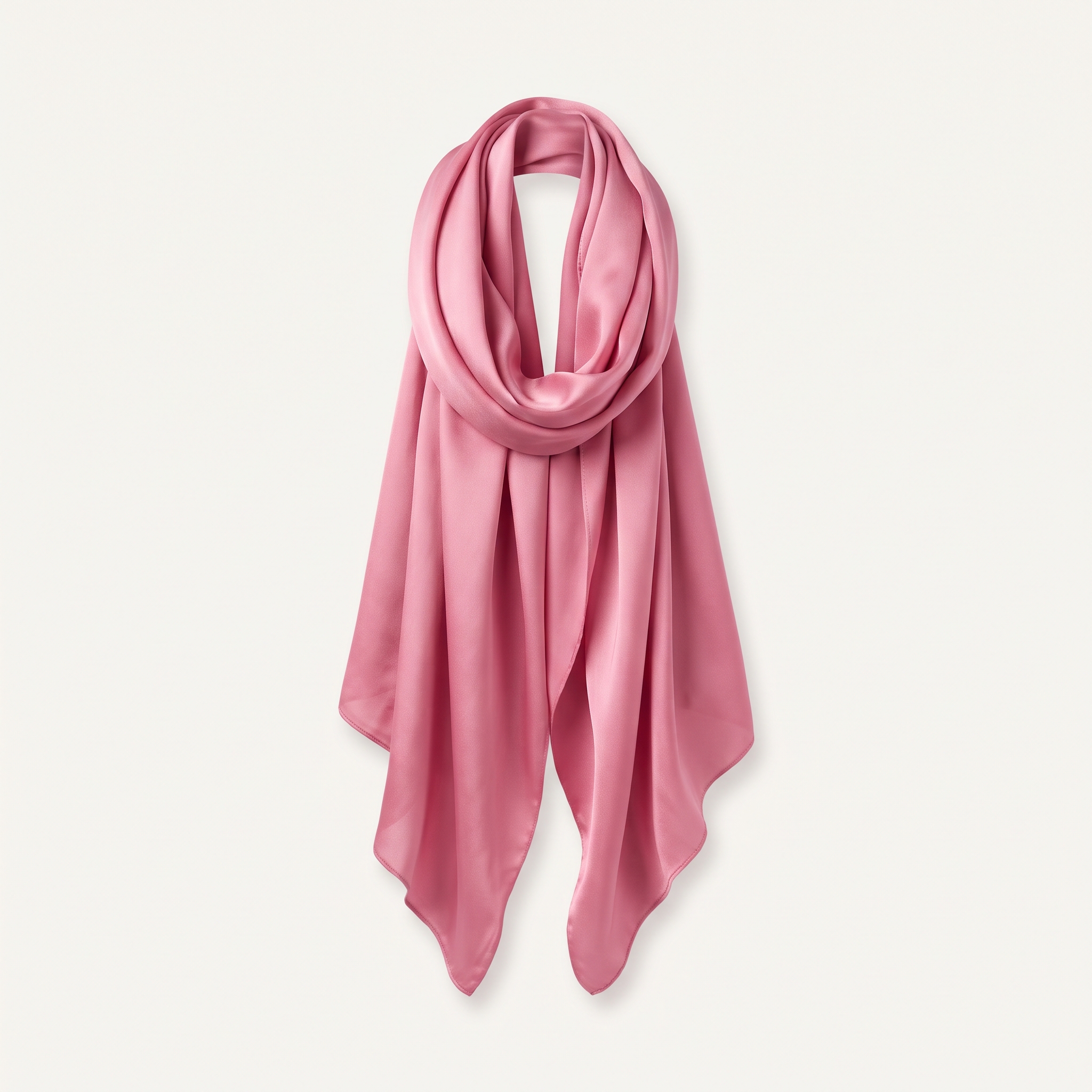
A fall capsule wardrobe is a small set of pieces that work together, so you get dressed without starting from nothing every morning. It is not a shopping list for a whole new wardrobe. It is the pieces you already wear, plus a few layering pieces that change how each outfit reads.
What goes into a fall capsule wardrobe?
A fall capsule starts with what you already own: a dark dress or two, a pair of trousers that fit, a sweater, a coat. The capsule part is the set of layers that sit over and under those pieces. A coat covers you outside. What matters indoors — at a wedding, at dinner, at work — is the layer that stays on once the coat comes off. That is where most capsules go wrong: they count the coat and forget the room.
Which layering pieces multiply your outfits?
Four pieces do most of the work, because each one changes more than one outfit.
The first is a long scarf. The Oversized Multiway Scarf 180×90 ($28, silk-feel polyester) is long enough to wear as a wrap over a dress, folded as a shawl, or looped as a scarf with a coat. One piece, three jobs, and it packs flat in a bag. The size guide in how do you wear a square scarf covers the smaller squares; the 180×90 is the one that reaches far enough to work as a wrap.
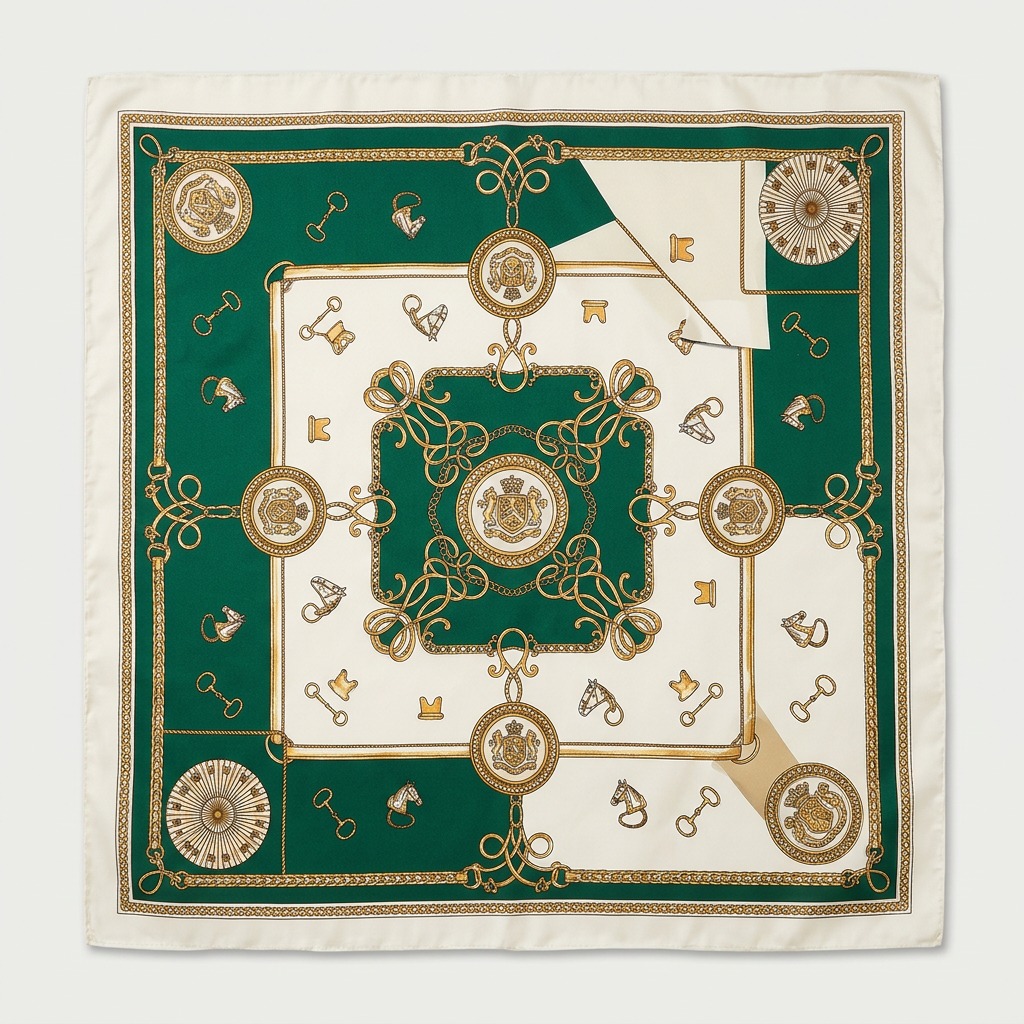
The second is a small square. The Neckerchief Scarf 70×70 ($18) is the finishing piece: at the neck with a plain dress, knotted at the wrist, or tied on a bag. It does not warm you and it does not cover anything. It finishes an outfit that already works, which is a different job from the long scarf, and the two should not be confused.
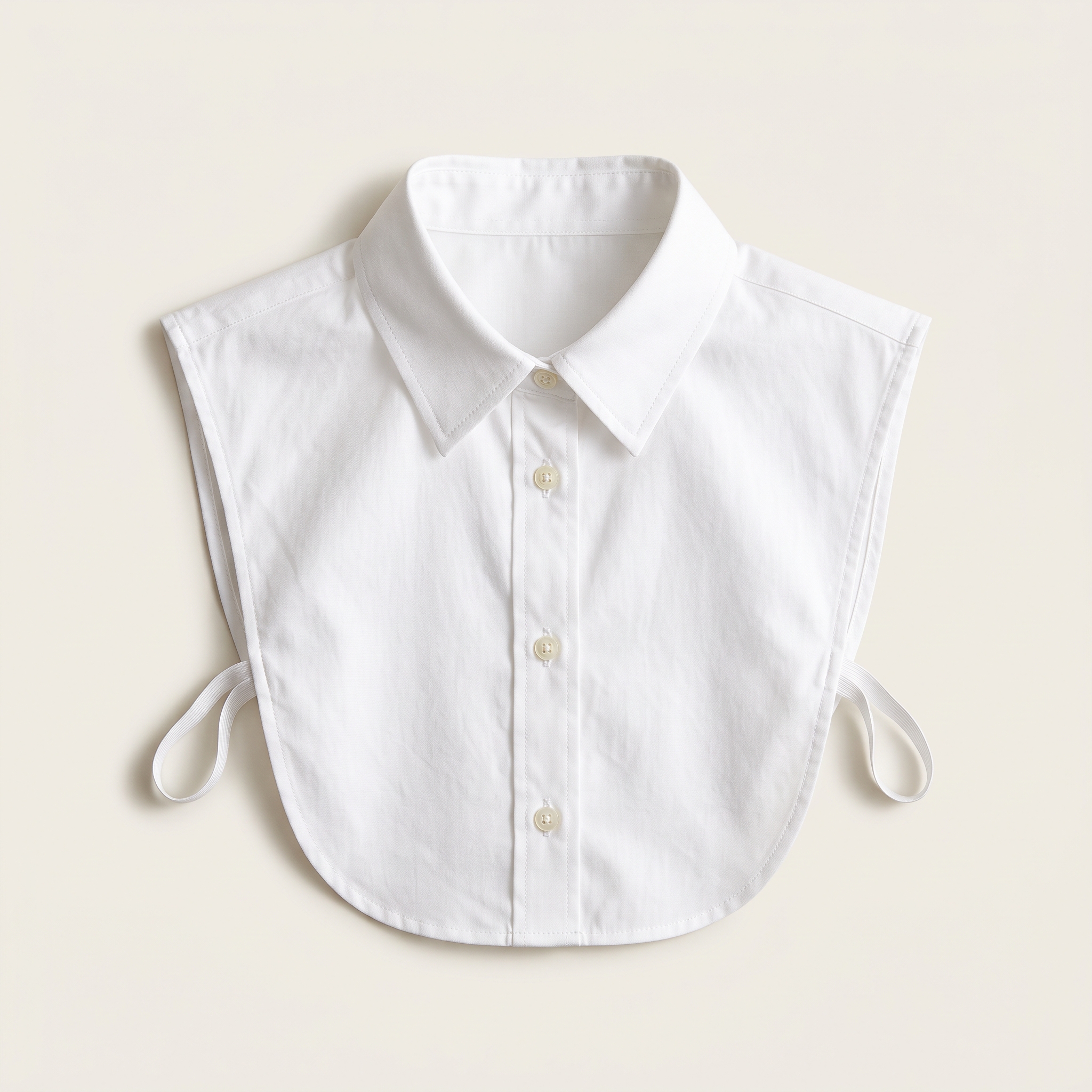
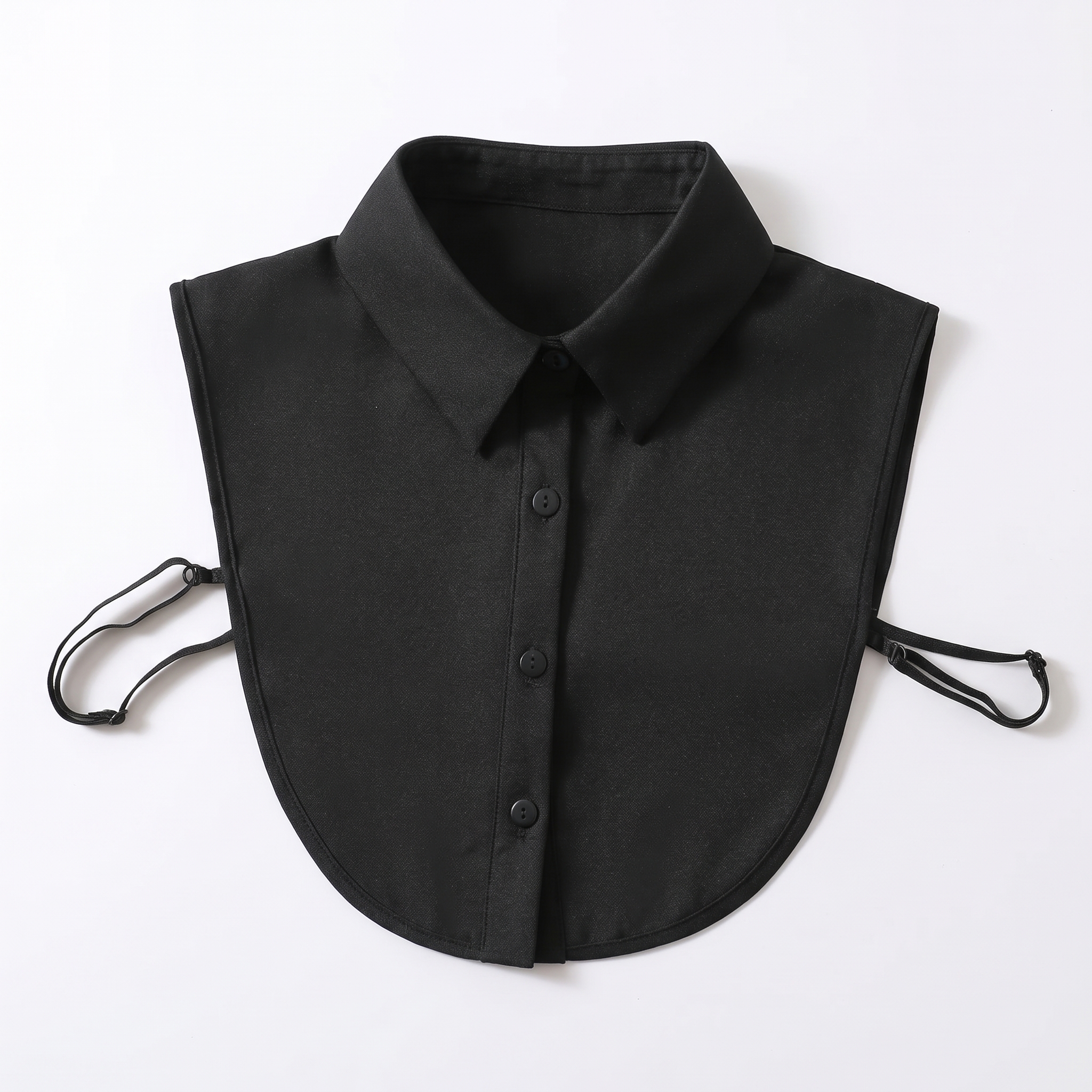
The third is the layer that fixes a neckline without a new top. The Detachable Dickey Collar ($19, or $34 for the two-pack) clips in under a sweater or blazer and gives you a collar where there was none. It is the piece for the dress or top that is fine except for the neckline — it adds the collar without adding a whole shirt underneath, so there is no bulk at the waist.
The fourth is the wrap for occasions. The Plain Chiffon Wedding Wrap ($38, polyester chiffon, a long rectangular shawl) goes over a sleeveless dress for a wedding or an evening out, and comes off when you want it off. It is not a coat and it does not replace one — it is the indoor layer, for the room, not the street. The winter wedding guest guide covers the same call for cold venues, where the coat stays on outside and the wrap does the work inside.
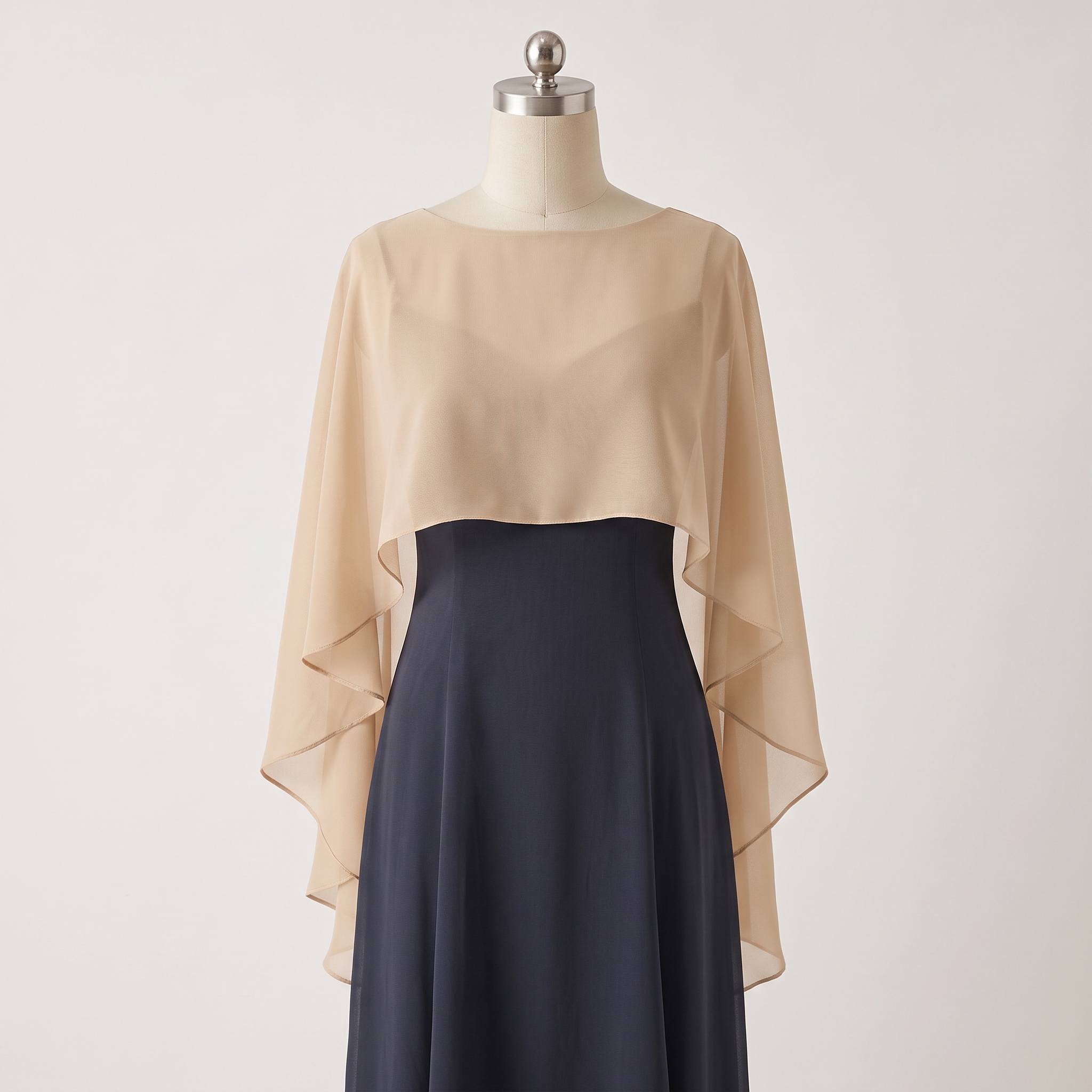
How do you plan a fall capsule around what you already own?
A capsule starts with an audit, not a purchase. Lay out the pieces you actually wear in fall: the dark dress or two, the trousers that fit, the sweater, the coat. Then count how many outfits each piece already makes. A piece that only works with one other piece is not earning its place, however much you like it on its own.
Next, sort by colour family, not by item. A capsule works when the colours talk to each other: dark neutrals for the base, one or two accent colours for the layers. A wrap in a colour that fights everything else in the wardrobe is not a capsule piece, whatever the price. The four layering pieces in this post earn their place because they sit inside ordinary colour families — a long scarf, a small square, a collar and a wrap all come in colours that pair with dark dresses and coats, rather than demanding a new outfit around themselves.
Then run the three-pairing test on anything you are thinking of adding. Can it pair with at least three things you already own? The long scarf passes: over a dress as a wrap, folded as a shawl, looped as a scarf with a coat. The small square passes: at the neck with a plain dress, knotted at the wrist, tied on a bag. A piece that only pairs with one dress fails the test, and the honest move is to leave it in the shop. Wear the set for two weeks before adding anything, as the original post says — the gaps you actually feel in those two weeks are the real shopping list.
What does a fall capsule look like for a wedding guest?
A wedding guest capsule is the same rule with one extra condition: the indoor layer matters more than the coat. The coat covers you outside. Once it comes off in the room, the layer that stays on is the outfit, and a fall wedding guest needs that layer to cover shoulders, finish a neckline, or warm a room without hiding the dress.
That is where the coverage pieces in this post do their work. The Plain Chiffon Wedding Wrap ($38) goes over a sleeveless dress for the ceremony and comes off for the reception. A bolero does the same job with sleeves: the bolero vs shrug guide explains how a structured bolero differs from a soft shrug, so you can pick the one that matches the dress’s formality. And the Detachable Dickey Collar ($19, or $34 for the two-pack) finishes a neckline under a sweater or blazer without adding a whole shirt underneath, so there is no bulk at the waist under a fitted dress.
Shoes follow the same indoor rule. A wedding guest capsule does not need five pairs; it needs one pair that works on the venue’s floors. The winter wedding guest guide covers the cold-venue version of this call, where the coat stays on outside and the wrap does the work inside. The point in both cases is the same: plan the room first, the street second.
For the layers underneath the dress itself, see what to wear under a sleeveless dress.
How do you keep a fall capsule from going stale by November?
A capsule goes stale when the same four pieces are worn the same way every time. The fix is not a new piece; it is a new pairing. The long scarf worn as a wrap one week becomes a looped scarf with a coat the next. The small square moves from the neck to the wrist to the bag. The neckerchief knot guide shows one version of this: the same 70×70 square, knotted so it stays put all day, reads differently from the same square tied loosely at the neck.
Colour rotation does the same work. A capsule in dark neutrals stays fresh when the small square or the scarf changes colour, because those are the pieces people notice first. The base dresses and trousers stay the same; the layer that sits nearest the face changes. That is also why the small square earns its place despite doing no warming and no covering: it is the cheapest way to change how an outfit reads without buying an outfit.
Finally, check the capsule against the season as it turns. Early fall and late fall are different rooms: early fall still has warm rooms and light layers, late fall has cold halls and coats that stay on longer. The wrap that was enough in October may need the coat kept on outside in November, and the indoor layer then has to work under the coat rather than instead of it. A capsule that survives November is one whose layers still pair when the coat joins them, not one that only worked in October’s weather.
How many pieces do you actually need?
Fewer than the lists suggest. A capsule works when every piece earns its place by pairing with at least three other things you own. The four pieces above each pair with dresses, trousers, sweaters and coats you already have. If a piece only works with one outfit, it is not a capsule piece — it is a single outfit with extra steps. Start with the four, wear them for two weeks, and only then add anything. The gaps you actually feel in those two weeks are the real shopping list; the rest is guessing.
That is also why a capsule is not a fixed number. Some guides say ten pieces, some say thirty. The number does not matter. What matters is that each piece works with the others, and that nothing in the set needs a new purchase to become wearable. A scarf that only matches one dress, a collar that only fits one neckline, a wrap in a colour that fights everything else – those are not capsule pieces, whatever the count says.
Does a capsule wardrobe work over 40?
Yes, with the same rule and one extra check. Over 40, the capsule question is usually about coverage, not quantity: sleeves for a sleeveless dress, a collar that finishes a neckline, a wrap that covers shoulders without hiding the dress. The pieces above answer those directly – the wrap and the dickey are coverage pieces first, fashion pieces second. The data here is thin, so this stays a short section: the rule does not change with age, but the pieces that earn their place do.
A fall capsule, done plainly, is this: the clothes you already wear, plus a long scarf, a small square, a dickey collar and a wrap. Four pieces that multiply outfits instead of adding to them. If you want the layering logic for formal occasions, can a midi dress be formal covers the same choices for a dress that has to read formal.
[…] 70cm for the neck, hair band and bag bow. 90cm for the square that also covers hair and shoulders. 180cm for wrap-length drape, belts and tops. For the wearing ways, see how to wear a square scarf, and for how the long scarf works as a layering piece, see how to build a fall capsule wardrobe. […]